


The Zoological Society of London (ZSL) is celebrating its 200th anniversary in 2026, marking two centuries of scientific, educational and global contribution to conservation. This is the right moment to reacquaint ourselves with its extraordina...
Read More

Education for Sustainable Development

The challenge isn't believing in sustainability. It's embedding it. FEthink helps providers to achieve this.
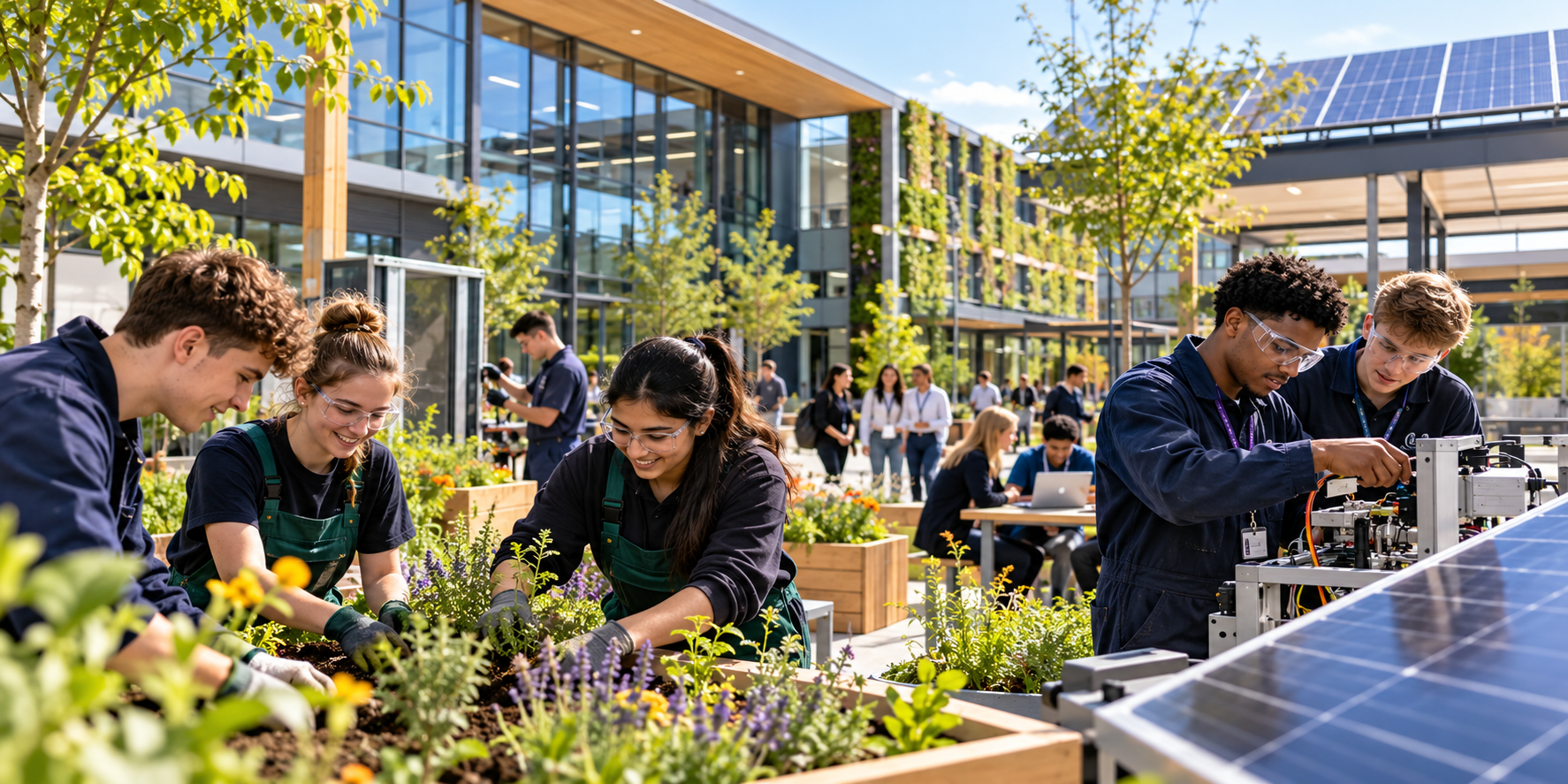
Sustainability shouldn't sit in a strategy document, an annual themed week or the enthusiasm of a few committed staff. It should be visible in what learners study, how teachers teach, the decisions departments make and how the college connects learning to changing industries and communities.
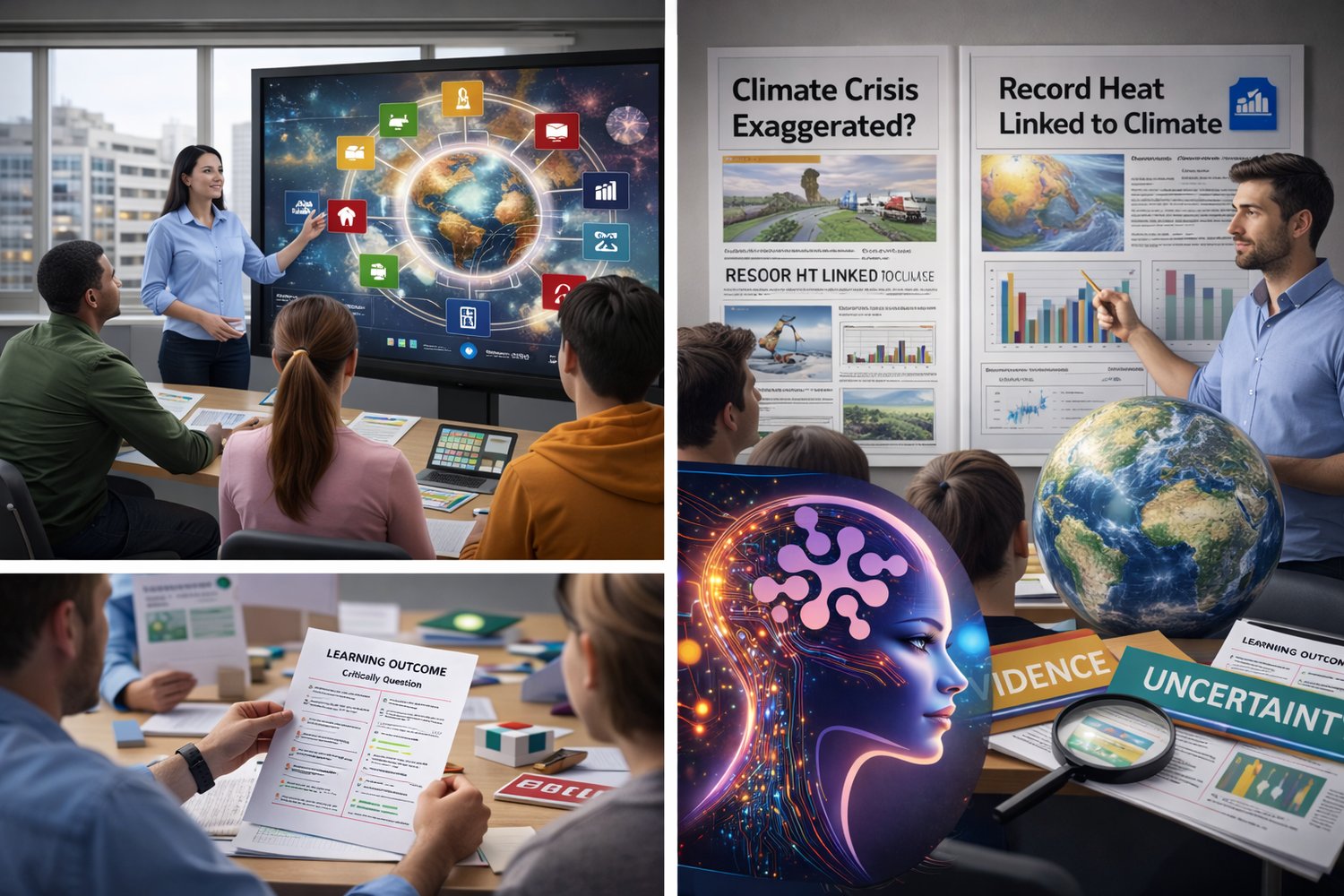
The implementation gap
Colleges have made significant progress on climate strategies, estates and net-zero planning. The AoC reports that more than 130 colleges have used its Climate Action Roadmap, which now includes ESD alongside areas such as biodiversity and procurement.
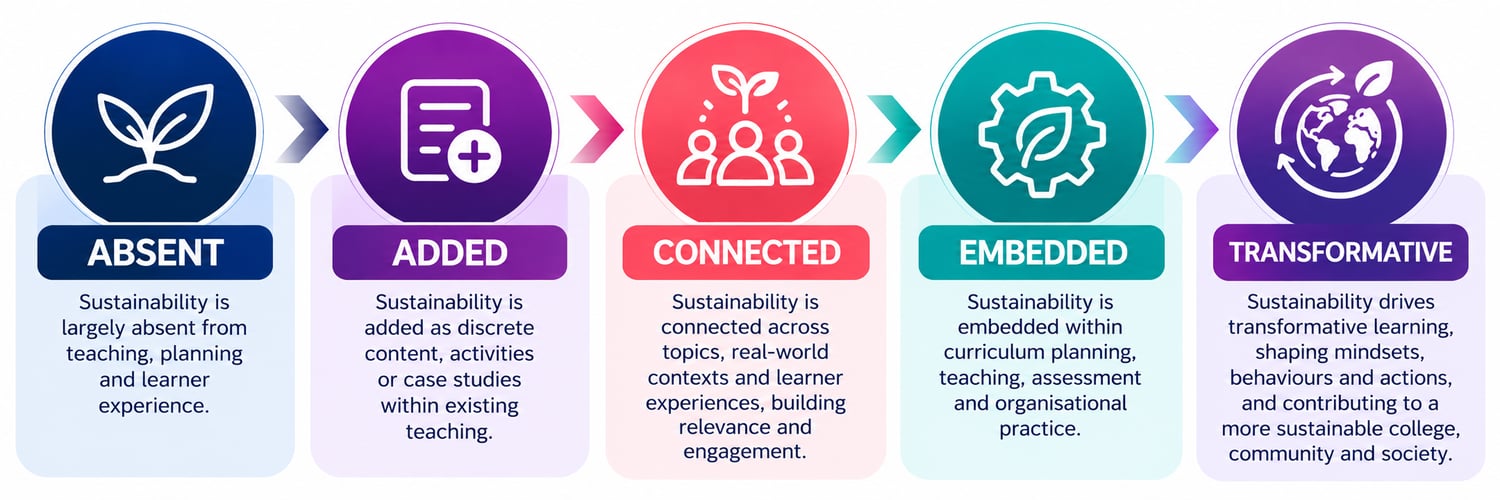
What does embedded sustainability actually look like?
Embedding does not mean putting a sustainability lesson into every scheme of work. It means identifying where sustainability genuinely changes occupational knowledge, practice and decision-making — and designing those opportunities deliberately.
Can we see it in…
CURRICULUM — what learners learn | TEACHING — how sustainability is explored | SKILLS — preparation for changing occupations | DECISIONS — how departments operate | EMPLOYERS — connection with industry change | LEARNER ACTION — opportunities to apply learning
Sustainability workshops - building professional capability
-
Half-day Sustainability Workshops
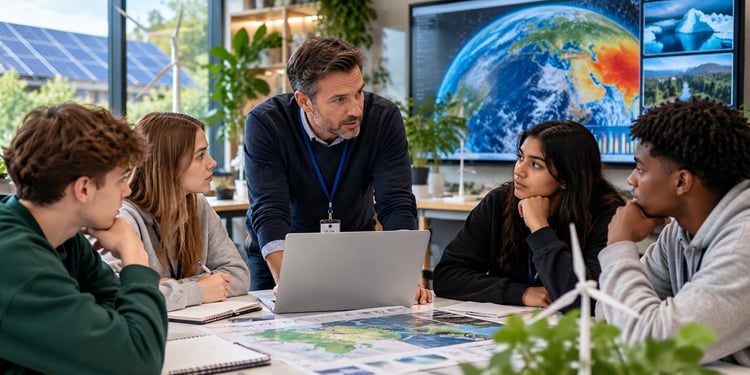
FEthink sustainability workshops give teachers practical ways to bring green skills and sustainability into everyday learning. Through climate knowledge, engaging activities, evidence literacy, lesson design, structured dialogue and vocational application, staff develop the confidence to make sustainability relevant to their subject. For learners, this means richer learning, stronger critical thinking and a clearer understanding of how environmental change connects to their lives, future careers, communities and the changing world of work.
Duration: 2.5 hours | Up to 30 delegates | online £450.00 | in-person £550.00 | Prices include VAT.
-
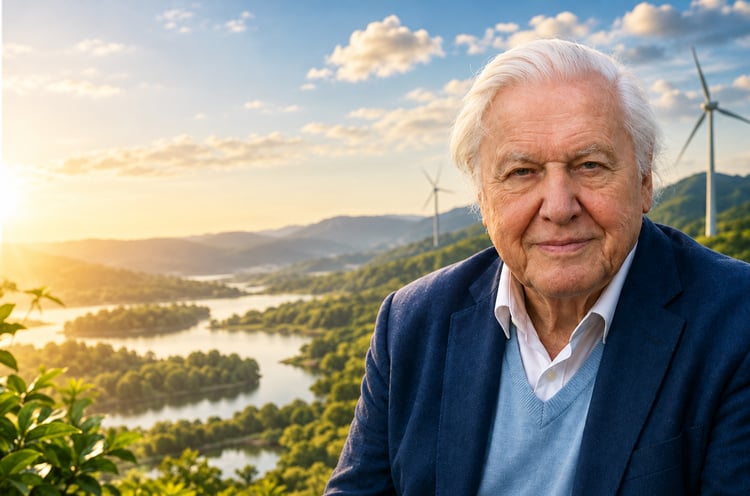
The Attenborough Model for Teaching ESD
The Attenborough Model translates the storytelling power of David Attenborough’s wildlife programmes into an inspiring approach to Education for Sustainable Development. Rather than beginning with facts alone, it uses wonder, connection, evidence and consequence to engage learners emotionally and intellectually. Learners encounter the natural world, understand what is changing and why, explore human responsibility, and consider how their own choices can contribute to positive change.
Duration: 2.5 hours | Up to 30 delegates | online £450.00 | in-person £550.00 | Prices include VAT.
-

Level 1 Online Course in Teaching for a Sustainable Future
The Level 1 Teaching for a Sustainable Future online course gives teachers a self-paced, accessible, practical introduction to embedding sustainability in their teaching. Participants explore key sustainability concepts, green skills, engaging learning activities and ways to connect environmental issues with different vocational subjects. The course builds confidence, provides ready-to-use ideas and helps teachers make sustainability relevant, purposeful and meaningful for every learner.
Starting: January 2027
-
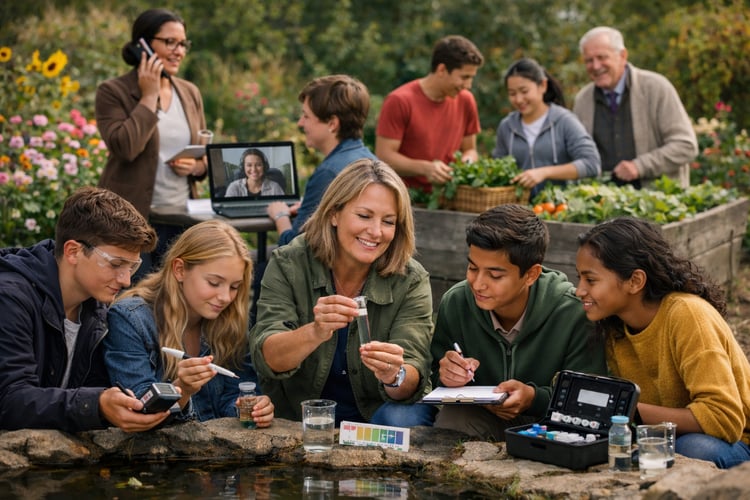
Immersive Tutorial Projects
Ever wondered how to embed sustainability in an already crowded curriculum?
We show you how to utilise your tutorial programme to implement immersive projects, requiring learners to solve a realistic problem at college or in the local community.
Our project template comes with a simple structure, planning tools and resources for conducting action-based ESD sessions, helping learners develop the green skills and confidence that employers need in today's marketplace.
1-Day workshops | Up to 30 delegates | online £550.00 | In-person £699.00 | Prices include VAT.

Sustainability Resources for Teachers
Sustainability Training Pathway for Educators
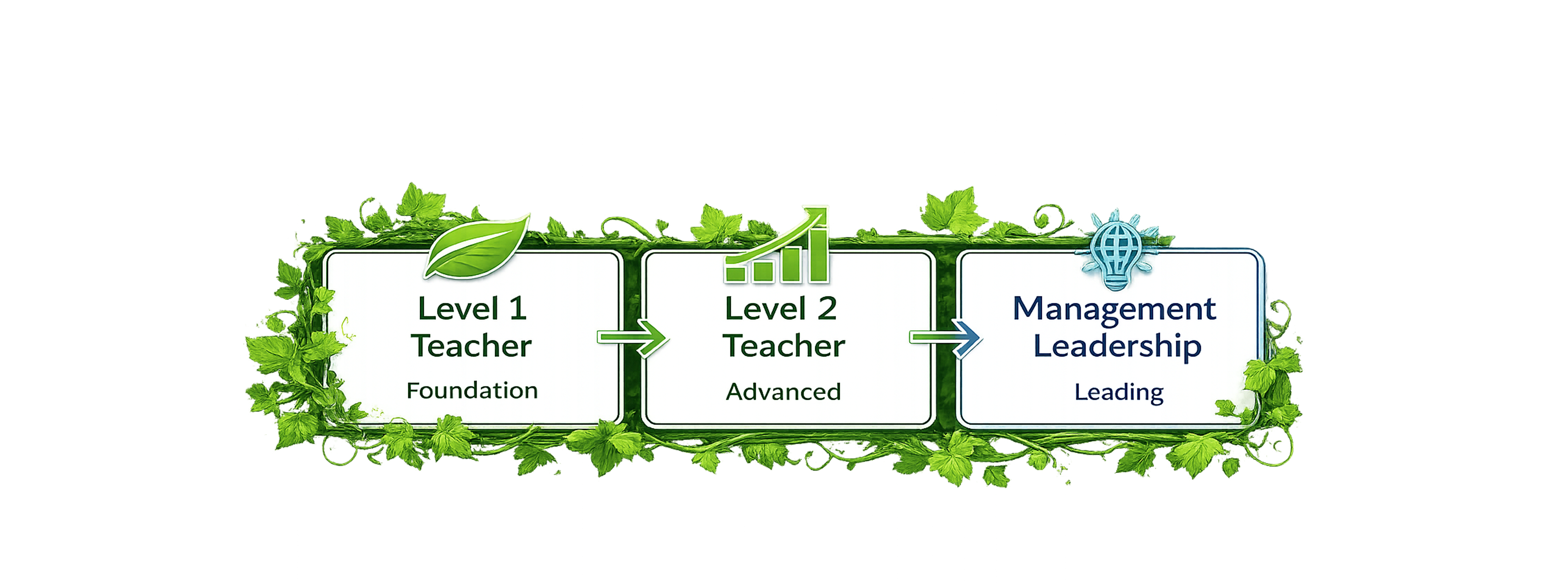
Eight universal competencies that drive development and improvement in teaching and managing sustainability in education

The Eight Competencies Explained
1. Climate Basics
Understanding the key concepts of climate change and sustainability, including the UN's Sustainable Development Goals and their real-world implications.
2. Vocational Linking
Connecting sustainability concepts to vocational subjects, industries, and real workplace practices.
3. Evidence Literacy
Using credible data, research, and sources to inform sustainability teaching and decision-making.
4. Structured Dialogue
Facilitating informed and respectful discussion about complex sustainability issues and differing viewpoints.
5. Lesson Design
Embedding sustainability meaningfully into lesson outcomes, activities, and assessments.
6. Engaging Learners
Motivating learners to participate actively in sustainability learning and apply it in meaningful ways.
7. Improving Outcomes
Supporting learners to develop knowledge, skills, and behaviours that contribute to sustainable futures.
8. Reflect on Practice
Evaluating and improving sustainability teaching and organisational practice through reflection and evidence.
Explanation of Framework
This competency framework has been designed to support educators in further education to embed sustainability meaningfully within teaching, learning, and organisational practice. The eight competencies reflect a progression from foundational sustainability literacy through to applied pedagogical practice and professional reflection. They recognise that effective sustainability education requires not only knowledge of climate and environmental issues, but also the ability to contextualise these within vocational subjects, use credible evidence, facilitate informed dialogue, design purposeful learning experiences, engage learners actively, and evaluate the impact of teaching on learner outcomes. The framework also acknowledges the organisational role of educators and managers in shaping sustainable cultures within institutions. By structuring competencies across foundation, advanced, and leadership levels, the model supports professional development pathways while aligning sustainability capability with everyday teaching practice in further education contexts.
Our Sustainability Competency Frameworks

Level 1 Framework
Foundation Skills
Focus: Teachers and Support Workers
The Level 1 competency framework is for educators needing support and inspiration with embedding sustainability.

Level 2 Framework
Advanced Skills
Focus: Teachers:
The Level 2 competency framework outlines the knowledge and skills of experienced teachers of sustainability, with additional challenge.

Manager Framework
Leading & Managing
Focus: Leaders, managers and coaches
The Manager Level competency framework focuses on strategic knowledge and skills needed to drive forward an organisation's sustainability programme.
Sustainability articles


Using systems-thinking and structured dialogue to explore the effects of armed conflict on ecological sustainability War is frequently framed as a geopolitical necessity; however, from an environmental perspective it represents systemic failure. Con...
Read More

Building a better planet
Let us help your staff bring sustainability to every classroom.
