


The Attenborough Model for Teaching Sustainability
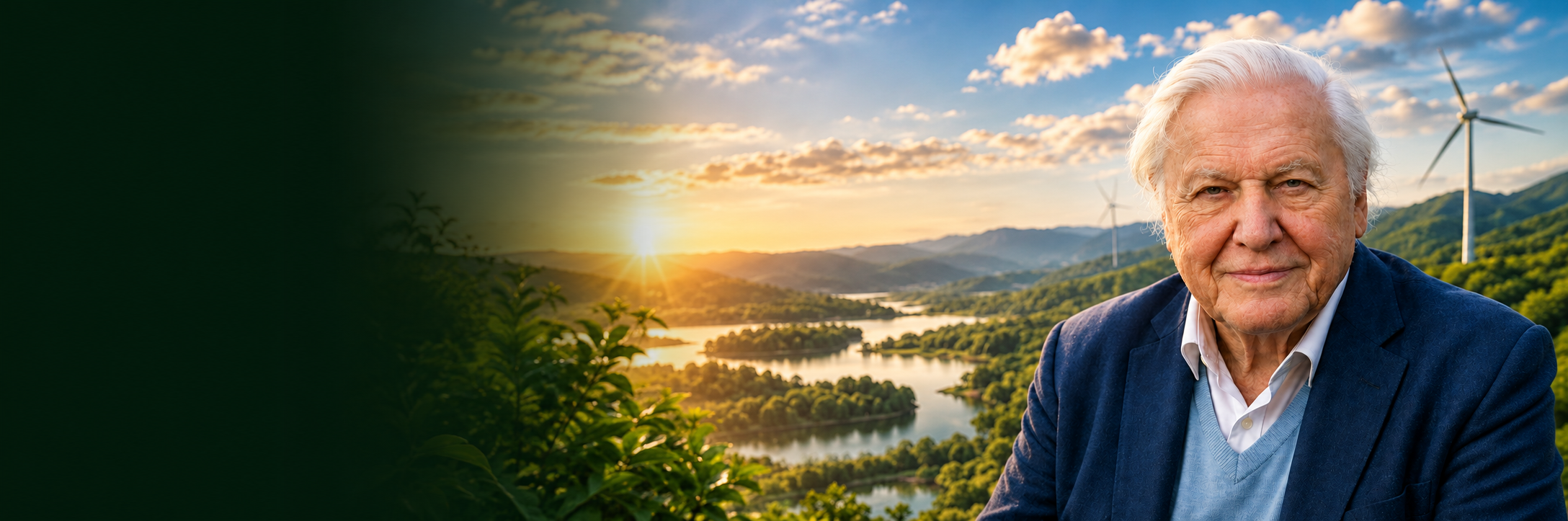
Sir David Attenborough
The world's most esteemed living naturalist
From Attenborough to the classroom
Dr Paul Tully has analysed the distinctive ways David Attenborough’s wildlife programmes communicate environmental issues, examining how storytelling, visual experience, evidence, emotional connection and changes in human behaviour are brought together to make complex sustainability challenges meaningful.
He then translated these recurring approaches into a new model for Education for Sustainable Development (ESD). The model helps teachers move beyond simply presenting environmental facts, creating learning that builds curiosity, develops understanding, encourages reflection and connects knowledge with choices and action.
The result is a practical teaching approach designed to make sustainability memorable, personally relevant and capable of influencing how learners think and act.
Teaching Sustainability the David Attenborough Way
On Sale
£0.00
Sir David Attenborough is a unique and compelling presenter of natural history and wildlife conservation. This report analyses his landmark programmes to understand what makes him so effective as a communicator. It develops a five-stage high-impact model that can be adapted to any context or subject. A must-have guide for any educator who is teaching sustainability in schools and colleges.
This document is FREE to the first 50 web visitors.
Top 5 David Attenborough Moments
Learning from Attenborough’s storytelling
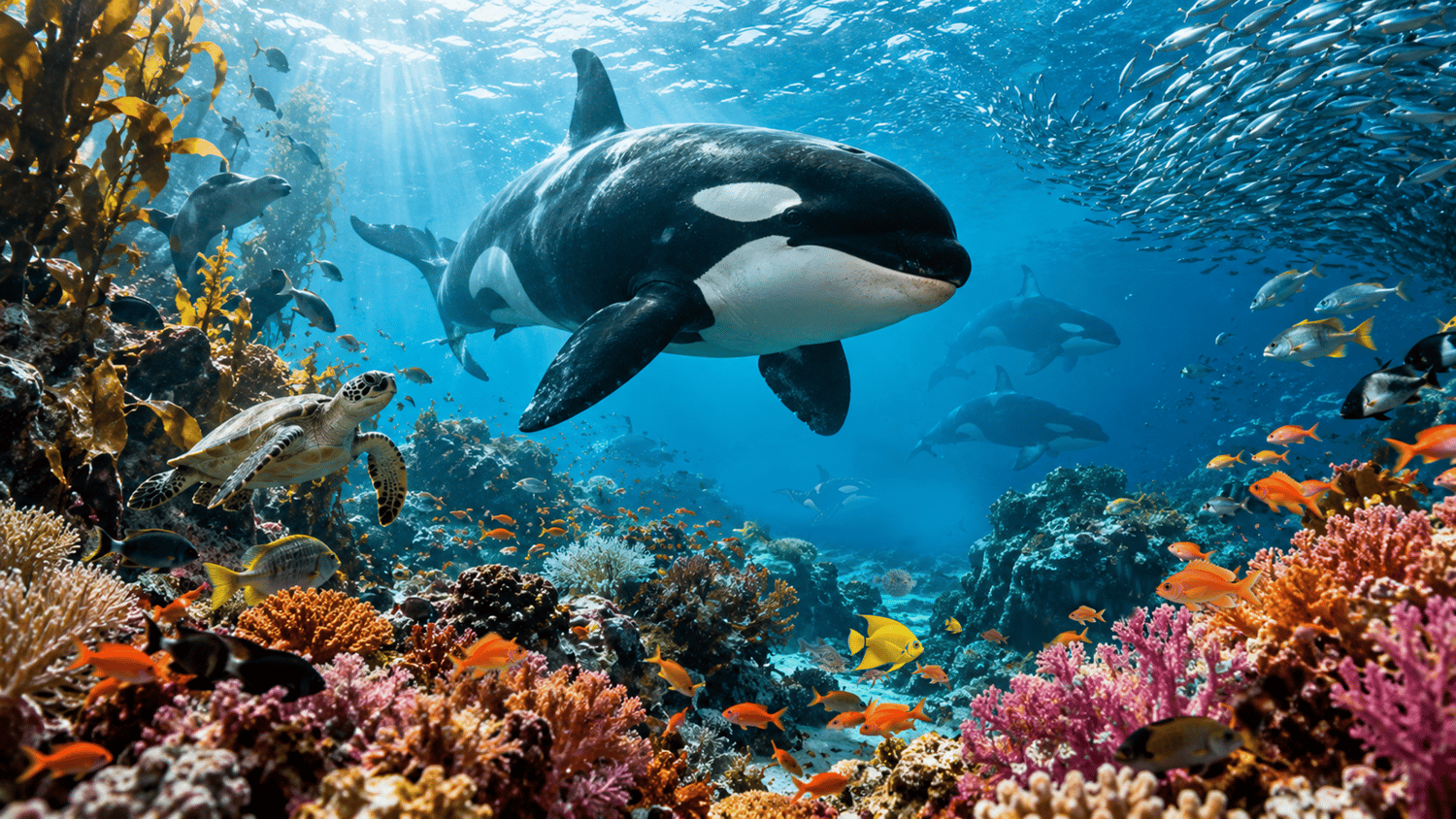
Our research went beyond Attenborough’s general approach by examining individual programmes and sequences to understand how his communication works in practice. We explored how programmes establish wonder and emotional connection before introducing evidence, reveal environmental change through compelling stories, make consequences visible and connect individual examples to much bigger systems. This analysis showed how narrative, imagery, evidence, pacing and emotional engagement can work together to turn complex sustainability issues into learning that audiences understand, remember and care about.

The Attenborough Effect: Making people care about the world they inhabit
David Attenborough doesn't simply explain the natural world. He makes us notice it, understand it and care what happens to it.
His extraordinary contribution to environmental communication lies not just in what he tells us, but in how he takes us on a journey. A single creature becomes a character. An unfamiliar habitat becomes a place worth exploring. A seemingly ordinary behaviour becomes a remarkable story of survival, adaptation and interdependence.
And then, once we have become fascinated by that world, we begin to understand what is at stake.
For sustainability teachers, this offers a powerful lesson. Information alone does not guarantee engagement. Learners are more likely to investigate environmental issues when those issues become meaningful, comprehensible and connected to something they value.
Attenborough's approach suggests that sustainability education should begin not with everything that is going wrong, but with something worth understanding, appreciating and protecting.
What makes Attenborough's storytelling so powerful?
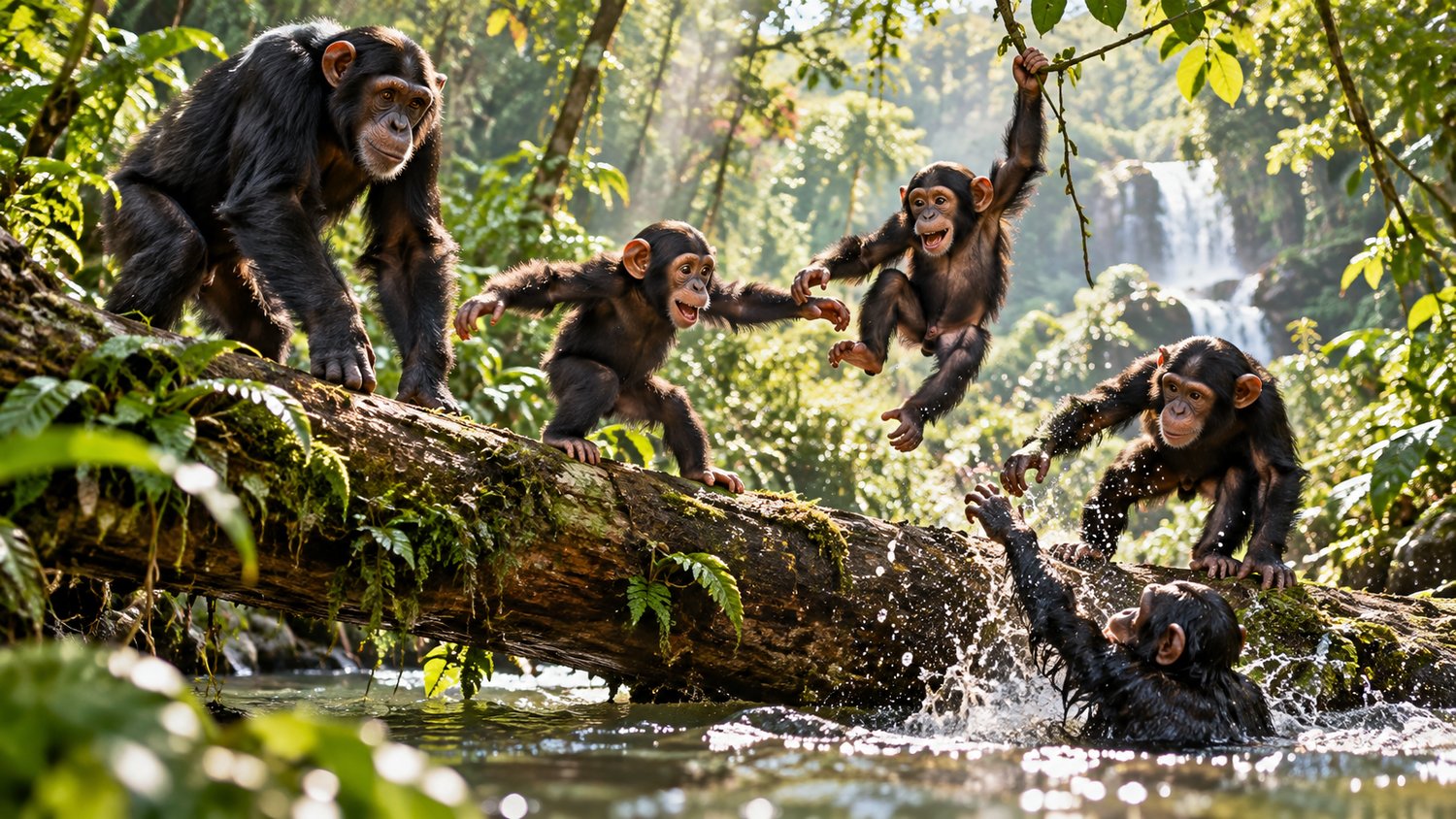
We have distilled seven distinctive qualities from his approach, each with direct implications for sustainability teaching.
1. He makes the familiar extraordinary.
A rock pool, an insect or a patch of woodland becomes a world of extraordinary complexity. His narration directs attention towards details we might otherwise overlook.
For teachers: Begin with a surprising observation, image, object or question. Let curiosity create the need for explanation.
2. He creates stories, not inventories of facts.
An animal faces a challenge. Conditions change. Survival is uncertain. Through narrative tension, audiences become invested in what happens next.
For teachers: Present environmental issues through real dilemmas and consequences. Instead of listing causes of habitat loss, follow what happens to a species, community or local environment as conditions change.
3. He reveals connections that cannot immediately be seen.
His stories move from an individual creature to its habitat, food supply, predators and the wider ecosystem. The audience discovers that nothing exists entirely in isolation.
For teachers: Make systems thinking tangible. Trace how a choice about food, energy, construction or transport affects resources, habitats, communities and future generations.
4. He combines scientific authority with accessible language.
His delivery is measured, precise and conversational. He explains complex biological processes without overwhelming the audience with terminology. Pauses, changes in pace and carefully timed revelations allow the images and ideas to speak.
For teachers: Use accurate science, but explain it through concrete examples, carefully chosen comparisons and language learners can confidently use themselves.
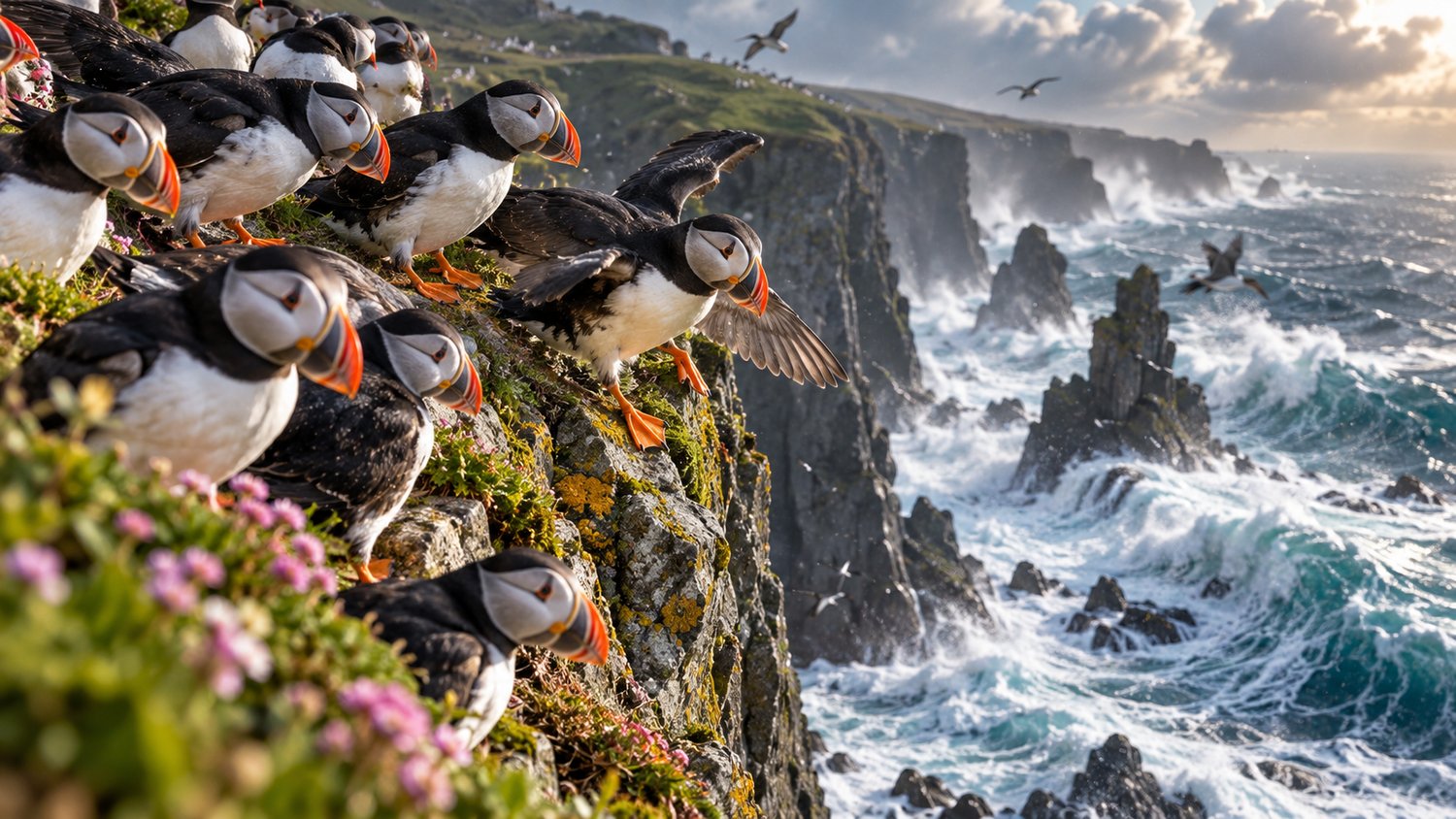
5. He allows audiences to feel before asking them to judge.
Wonder, humour, suspense, vulnerability and sometimes sadness create an emotional relationship with the subject. Environmental damage becomes more meaningful when we understand what is being lost.
For teachers: Use emotional engagement responsibly. Invite learners to care, but give them evidence and opportunities to question rather than manipulating them towards a predetermined conclusion.
6. He changes the emotional direction of the story.
Beauty and abundance often come first; vulnerability and human impact follow. This contrast makes environmental threats more significant because the audience has already discovered the value of what is at risk.
For teachers: Avoid beginning every sustainability lesson with catastrophe. Establish value, explore evidence of change, then consider consequences and possible responses.
7. He leaves audiences with a sense of responsibility.
Particularly in his later environmental documentaries, he moves beyond describing nature to confronting the consequences of human activity. His authority comes from combining a lifetime of observation with an increasingly urgent message about stewardship.
For teachers: Move beyond awareness. Help learners evaluate possible responses, recognise trade-offs and identify actions within their personal, vocational and collective influence.
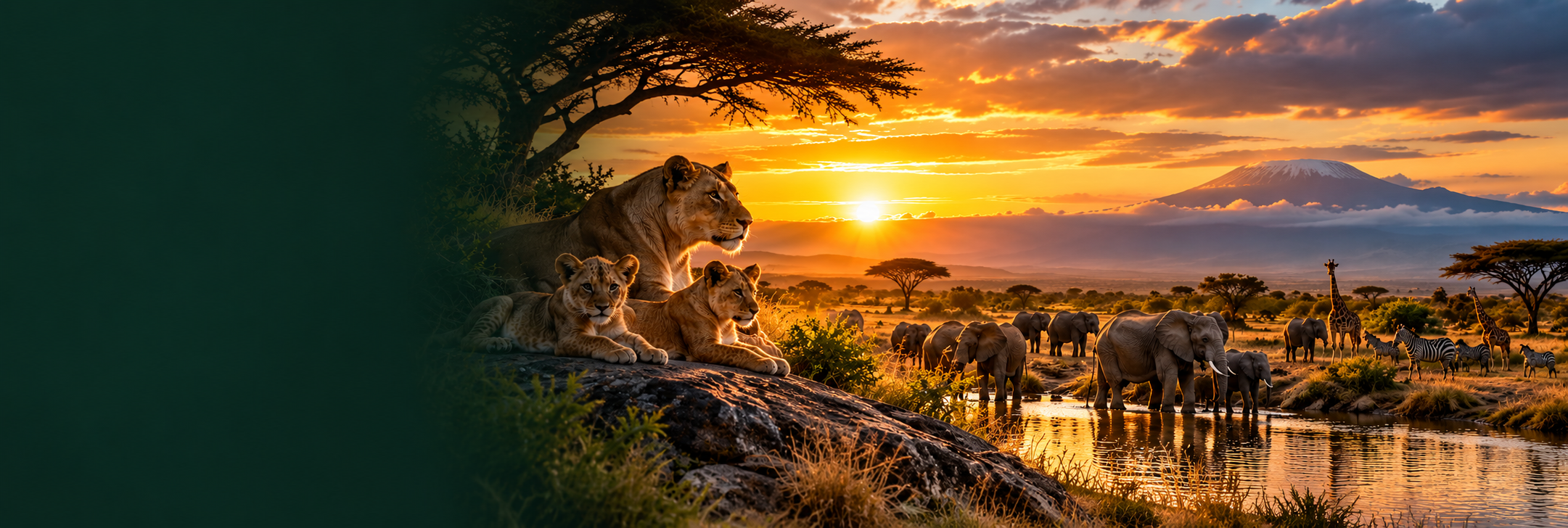
WEAVE: from wonder to action
A compelling model from FEthink for teaching sustainability
1. From wonder to action
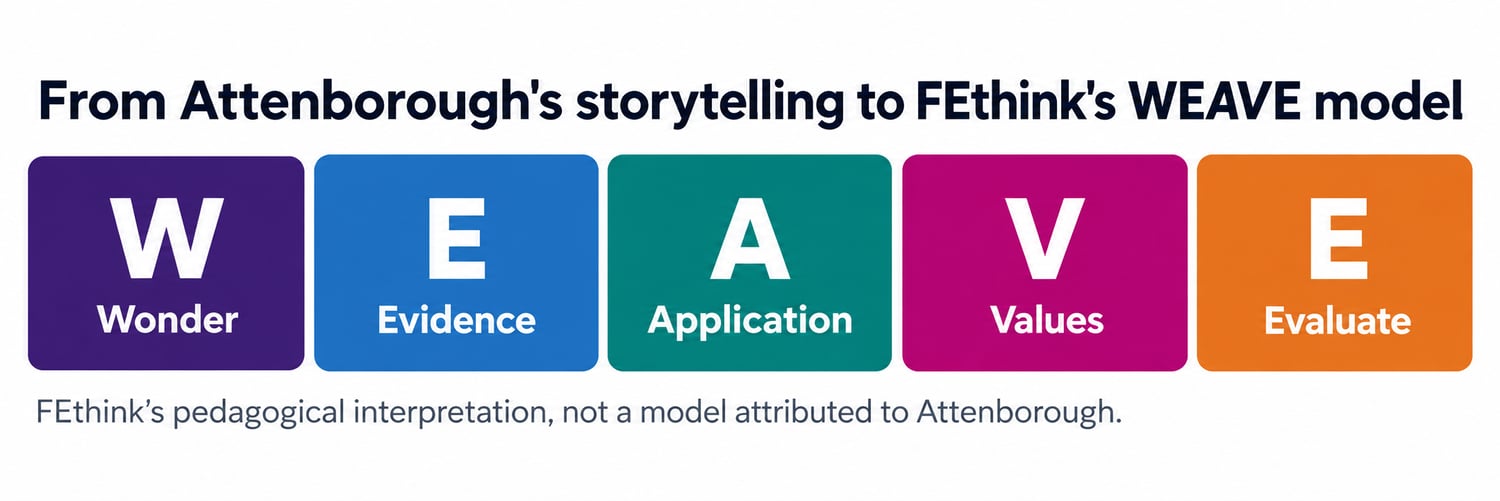
The Attenborough Model starts with the premise that learners can be taught to notice and care about their environment. A remarkable species, habitat, behaviour or environmental change creates curiosity before the science and evidence are explored. Teachers then help learners connect what they have seen to human activity, consequences and possible responses. The aim is not simply to teach sustainability facts, but to create a journey from Wonder → Evidence → Application → Values → Evaluate (WEAVE), making sustainability memorable, relevant and personally meaningful (FEthink, 2026).

2. Introducing the WEAVE model
Our analysis of David Attenborough's wildlife programmes revealed a powerful principle: people are more likely to engage with environmental issues when they first become curious about the world they are being asked to protect. WEAVE translates that insight into a practical teaching model.
Wonder captures attention and stimulates questions. Evidence replaces fascination alone with reliable understanding. Application connects sustainability to vocational practice and real decisions. Values allows learners to examine ethical choices and competing priorities. Evaluate asks whether proposed actions are justified, feasible and likely to make a difference.
The result is sustainability education that begins with fascination rather than instruction and develops the knowledge, judgement and agency learners need to make informed choices.

3. Applying WEAVE
The WEAVE model is designed to work across FE, not only in environmental subjects. Construction learners might explore biodiversity in development; hospitality students sustainable food systems; business learners organisational responsibility; engineering students low-carbon technologies; and health learners the relationship between environment and wellbeing.
FEthink helps teachers translate the model into questions, activities, case studies, structured discussion and vocational projects, enabling sustainability to become part of normal curriculum thinking rather than an additional topic competing for teaching time.
It is a unique CPD session.
Built from the insights of Sir David Attenborough.
Duration: 2.5 hours | Up to 30 delegates | Online: £450.00 | In-person £550.00 | Prices inc. VAT.

Introducing the WEAVE model of teaching sustainability
On Sale
£0.00
This is a teacher's guide to using FEthink's WEAVE model of embedding sustainability into teaching and learning. It outlines the origins of the model - Sir David Attenborough's presentation style - and discusses how the model was then formulated, leading to some practical examples of how it can work.
Audience: 16+
Length: 8 pages
Author: Dr Paul Tully
